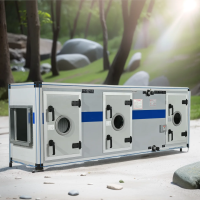
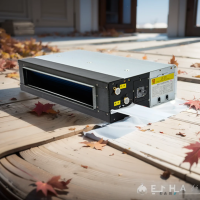
Air handling units (AHUs) are crucial for managing indoor air quality and temperature. However, their lifespan depends on various factors. Understanding these factors can help you extend the life of your AHU
Air handling units (AHUs) are crucial for managing indoor air quality and temperature. However, their lifespan depends on various factors. Understanding these factors can help you extend the life of your AHU and avoid costly replacements. Below, we explore the typical lifespan of an AHU and what impacts it.
Expected Lifespan of Air Handling Units
The typical lifespan of an air handling unit ranges from 15 to 25 years. This depends heavily on the unit’s build quality, the regularity of maintenance, and the environment it operates in. High-quality units with frequent servicing can last over two decades. On the other hand, neglecting routine maintenance could drastically shorten the unit's life.
Environmental Impact on AHU Lifespan
Operating in harsh environments can reduce the lifespan of an AHU. Humidity, extreme temperatures, or exposure to pollutants can accelerate wear and tear. For instance, high humidity levels can cause rusting and corrosion of components, while extremely cold or hot conditions can cause stress on the system. To combat this, using dehumidifiers in wet environments and insulating the unit in extreme climates can significantly extend its service life.
Overload and Its Effect on Equipment Life
Overloading is a common cause of early failure in air handling units. Running the system at full capacity for extended periods can strain the components, leading to faster wear. To avoid this, assess your system’s load and adjust it to match your needs. Upgrading the system or splitting the load across multiple units can prevent overloading and extend the unit’s lifespan.
Industry Applications and Their Impact
Different industries place different demands on air handling units. For example, hospitals and cleanrooms require stricter air quality controls, which can lead to more frequent replacements of filters and components. Industrial facilities may expose the unit to harsh chemicals or higher levels of dust, shortening its life. By understanding the specific needs of your industry, you can tailor your maintenance schedule and operational parameters to maximize the longevity of the unit.
Signs It's Time to Replace Your AHU
There are clear signs that indicate it may be time to replace your air handling unit. If the unit’s energy efficiency starts dropping, your energy bills will increase, signaling that the system is working harder than it should. Another warning sign is an increase in repair frequency. If you’re constantly fixing parts, it may be cheaper in the long run to invest in a new unit. Lastly, if the system begins to run inconsistently, providing fluctuating temperatures or poor air quality, it’s a sign that the unit may be nearing the end of its useful life.
Conclusion
A well-maintained air handling unit can last up to 25 years, but environmental conditions, overload, and industry-specific demands can shorten its lifespan. Regular maintenance, careful load management, and awareness of the unit’s condition will help you determine the right time for replacement. Taking these steps will ensure your AHU runs efficiently for as long as possible.